Select a technique after assessing the skin
Permanent eyebrow artistry · Los Angeles
Permanent brows shaped for your face and chosen for your skin
Ruth Swissa compares microblading, shading, and combination approaches based on natural hair, skin behavior, prior pigment, facial balance, and the definition you prefer.
 Permanent eyebrow artistry · Los Angeles
Deciding on permanent eyebrows
Match strokes or shading to how your skin heals
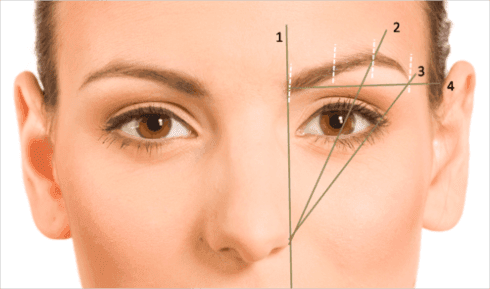
Map the complete brow before treatment
Maintain only what the healed brow needs
Technique selection
Compare permanent brow methods before approving the map
Ruth reviews front, arch, tail, height, symmetry, and color with the client, then explains how fresh definition will soften through healing.
Compare options- 01Select a technique after assessing the skin
- 02Map the complete brow before treatment
- 03Assess old pigment before adding anything
- 04Maintain only what the healed brow needs
Brow options in one place
Choose the method after looking at hair, skin, and old pigment
Microblading, nano strokes, shading, and combination work create different kinds of definition. Ruth selects among them only after seeing the brow and the finish you want.
Ask for examples that answer your specific question
If technique, hair-loss history, or healed retention matters to your choice, ask to see an example shared with the client's permission, with the method, starting point, and healing stage identified. A general brow photograph cannot answer those questions by itself.
Plan browsSelect a technique after assessing the skin
People seeking fuller-looking areas or more consistent shape may be candidates, but oily or textured skin, little brow hair, and prior work can make one technique more suitable than another.
Map the complete brow before treatment
Ruth reviews front, arch, tail, height, symmetry, and color with the client, then explains how fresh definition will soften through healing.
Assess old pigment before adding anything
Existing color, saturation, depth, and placement determine whether cover work is realistic. Some brows need lightening or removal first; others are better left to fade, reassessed later, or not tattooed again.
Bring procedure dates, removal history, reactions, and clear bare-brow photographs. Disclose active skin care, conditions, allergies, medications, and recent procedures so timing can be considered responsibly.
Maintain only what the healed brow needs
Retention varies by technique, skin, sun, products, and aftercare. Ruth recommends refinement or refresh work after evaluating existing pigment.
Brow treatment video
Watch Ruth Swissa’s microblading technique
Microblading is one approach within permanent brow work. Your own design still begins with facial proportions, existing hair, skin, and preference—and a considered decision includes how safely any work that breaks the skin is handled.
Brow-shape illustration
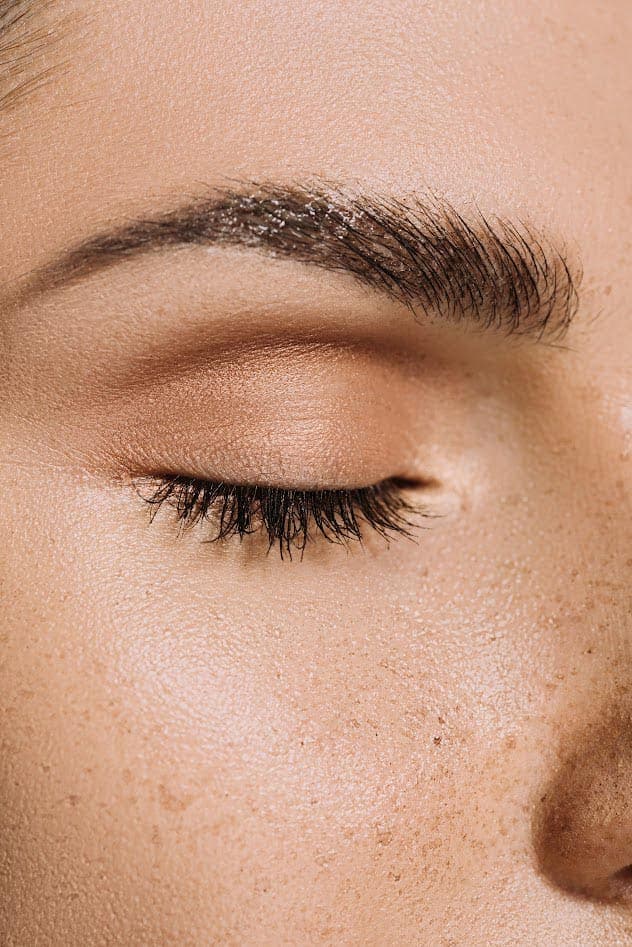
Look closely at shape, density, and stroke direction
This close-up is a reference for discussing the front, arch, tail, density, and direction of a permanent brow design. It is not a before-and-after case or a prediction of how another person’s pigment will heal.
Brow mapping
Existing pigment choices
Explore brow services
Compare microblading, nano brows, correction, and location options
Why permanent brow technique should change with the skin and existing work
Compare permanent brow choices through skin type, natural hair, prior pigment, saturation, desired finish, stroke retention, shading, and maintenance.
ExploreChoose the Healed Brow Finish, Not the Most Familiar Name
Compare eyebrow tattoo terminology, manual strokes, machine shading, and combination brows by healed finish, skin, and existing pigment.
ExploreHair Strokes and Added Shading Solve Different Brow Problems
Compare microblading and combination brows by application method, sparse areas, skin behavior, healing, and the intended healed finish.
ExploreBefore permanent eyebrows
Questions about method, shape, healing, fading, and prior work
01What determines whether permanent eyebrows are appropriate for me?+
People seeking fuller-looking areas or more consistent shape may be candidates, but oily or textured skin, little brow hair, and prior work can make one technique more suitable than another.
02What history should I share before permanent eyebrows?+
Disclose active skin care, conditions, allergies, medications, recent procedures, previous permanent makeup, and removal so the area can be timed and treated responsibly.
03When should I assess the change from permanent eyebrows?+
Retention varies by technique, skin, sun, products, and aftercare. Ruth recommends refinement or refresh work after evaluating existing pigment.
04Can brow examples show whether nano brows or eyebrow tattooing after hair loss fits me?+
Examples can help you discuss shape, density, and finish, but they do not establish candidacy or name the technique used. Nano strokes, microblading, shading, and follicle-style work are different decisions. New, changing, or unexplained eyebrow loss needs medical evaluation first; cosmetic tattooing does not diagnose or treat hair loss. Ask to compare a consented case with a similar starting point and a clearly identified healed stage.
05What if I already have permanent eyebrow pigment?+
Do not assume another layer will correct old work. Ruth first considers the existing shape, color, saturation, depth, skin condition, and removal history. Depending on that assessment, the responsible choice may be limited cover work, lightening or removal with an appropriate provider, more fading time, a staged plan, or no additional tattooing.
Consultation for permanent eyebrows
Bring your permanent eyebrow questions to Ruth Swissa
Ruth Swissa compares microblading, shading, and combination approaches based on natural hair, skin behavior, prior pigment, facial balance, and the definition you prefer.
Ask Ruth